

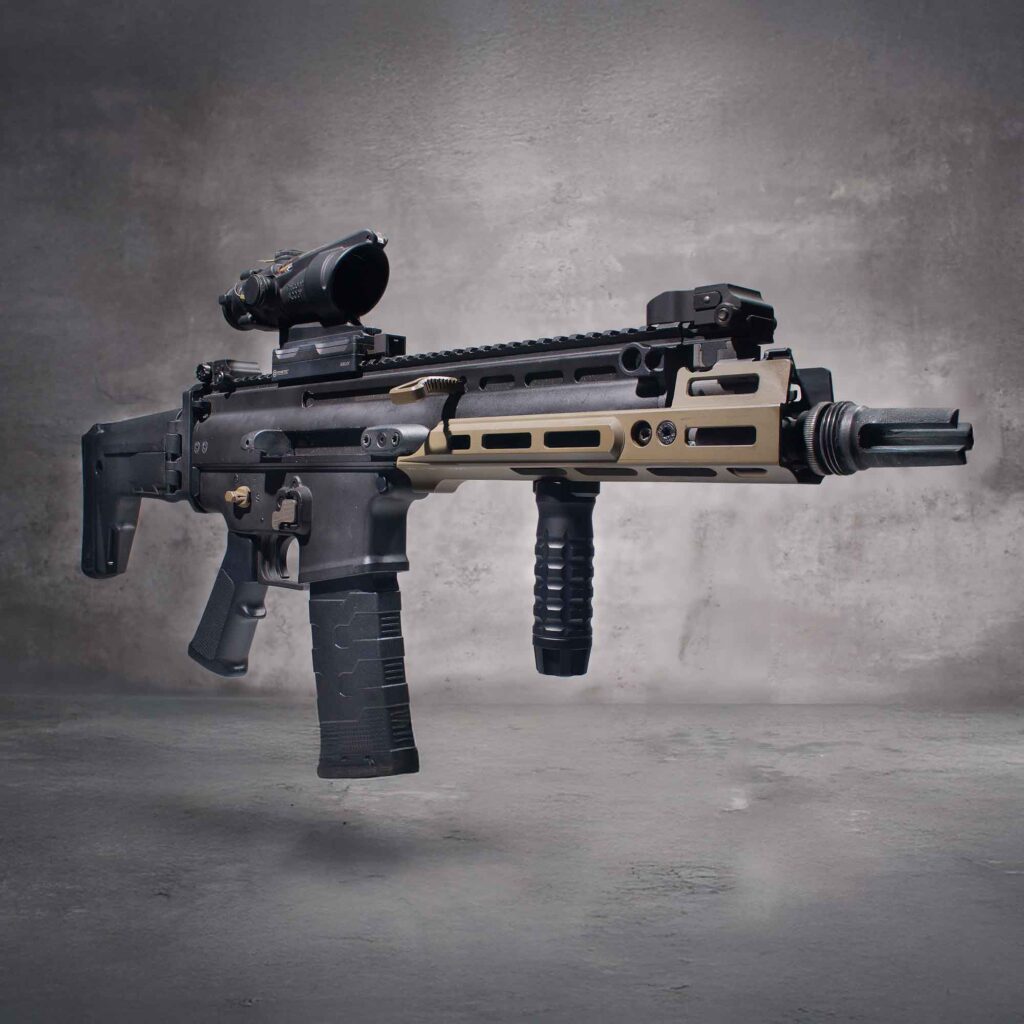
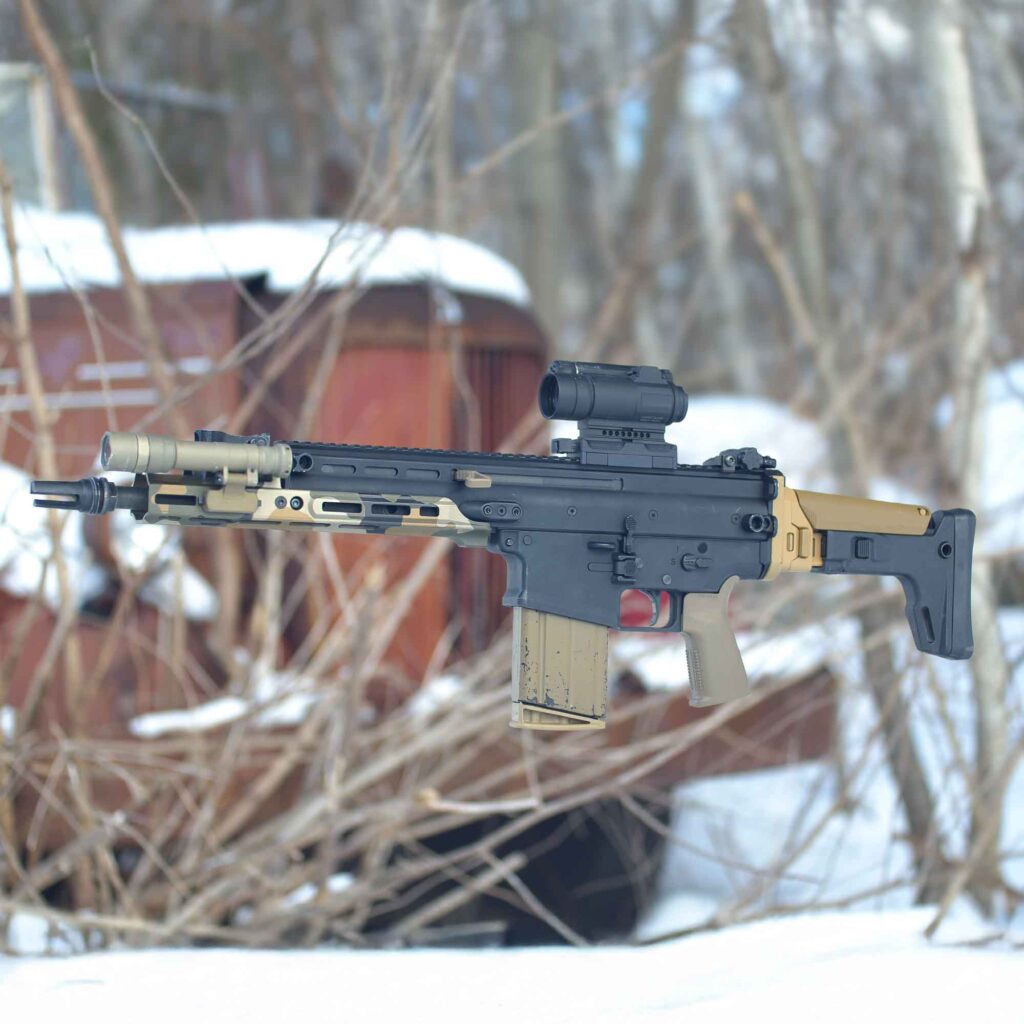
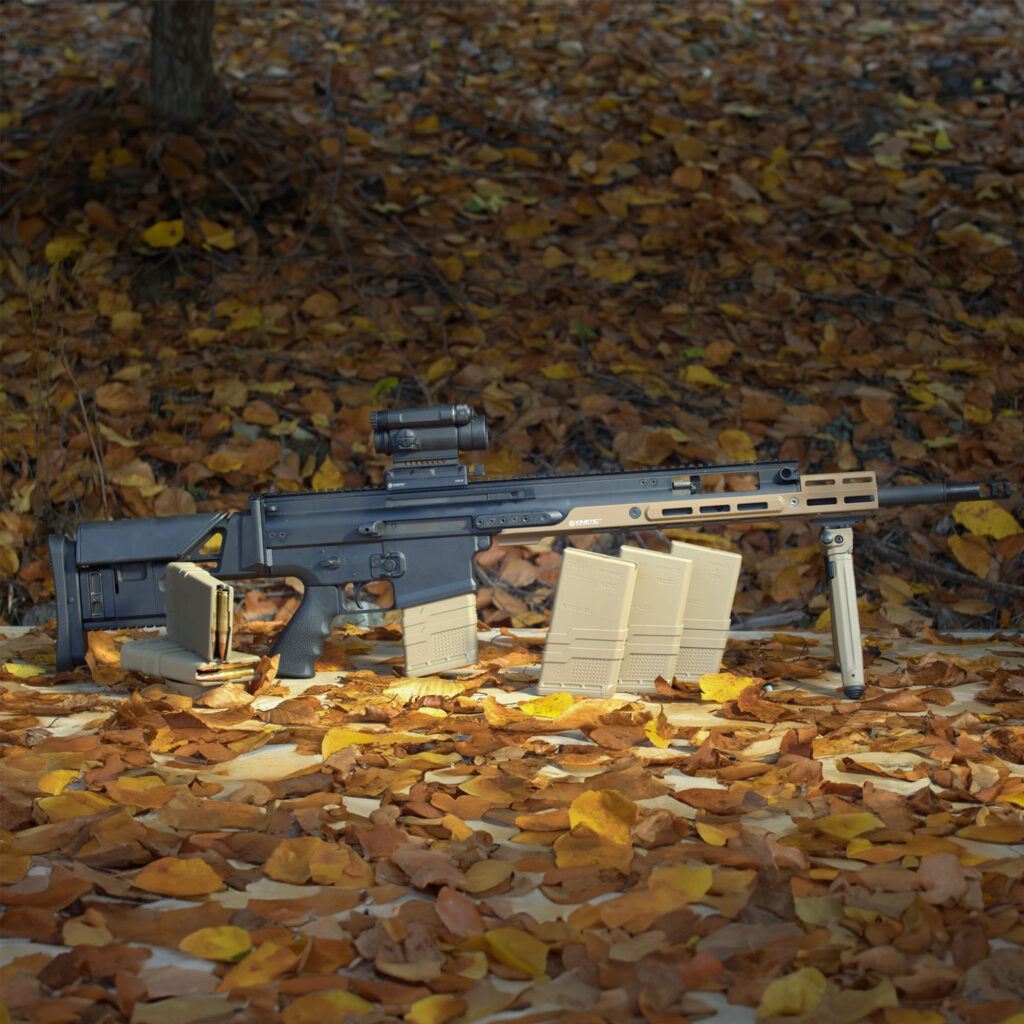



In the world of modern firearm customization, the MLOK system is king. Its lightweight, low-profile, and modular design has made it the undisputed standard for handguards. But once you’ve chosen MLOK, you face a second, critical decision: how do you attach your accessories?
This decision boils down to a fundamental conflict: Speed vs. Security.
Do you want the unparalleled flexibility of a QD (Quick Detach) MLOK system, allowing you to add or remove accessories in seconds without tools? Or do you need the “bomb-proof,” set-it-and-forget-it reliability of a Hard Mount system, torqued to spec and ready for the harshest conditions?
This isn’t just a theoretical debate. To make this decision, we’ll compare the two leading philosophies using the perfect case study: the revolutionary KDG Kinect line (the champion of QD) versus the rock-solid KDG MLOK Hard Mounts (the standard for security).
This guide will dissect both systems, compare them head-to-head, and help you make the right choice for your mission.
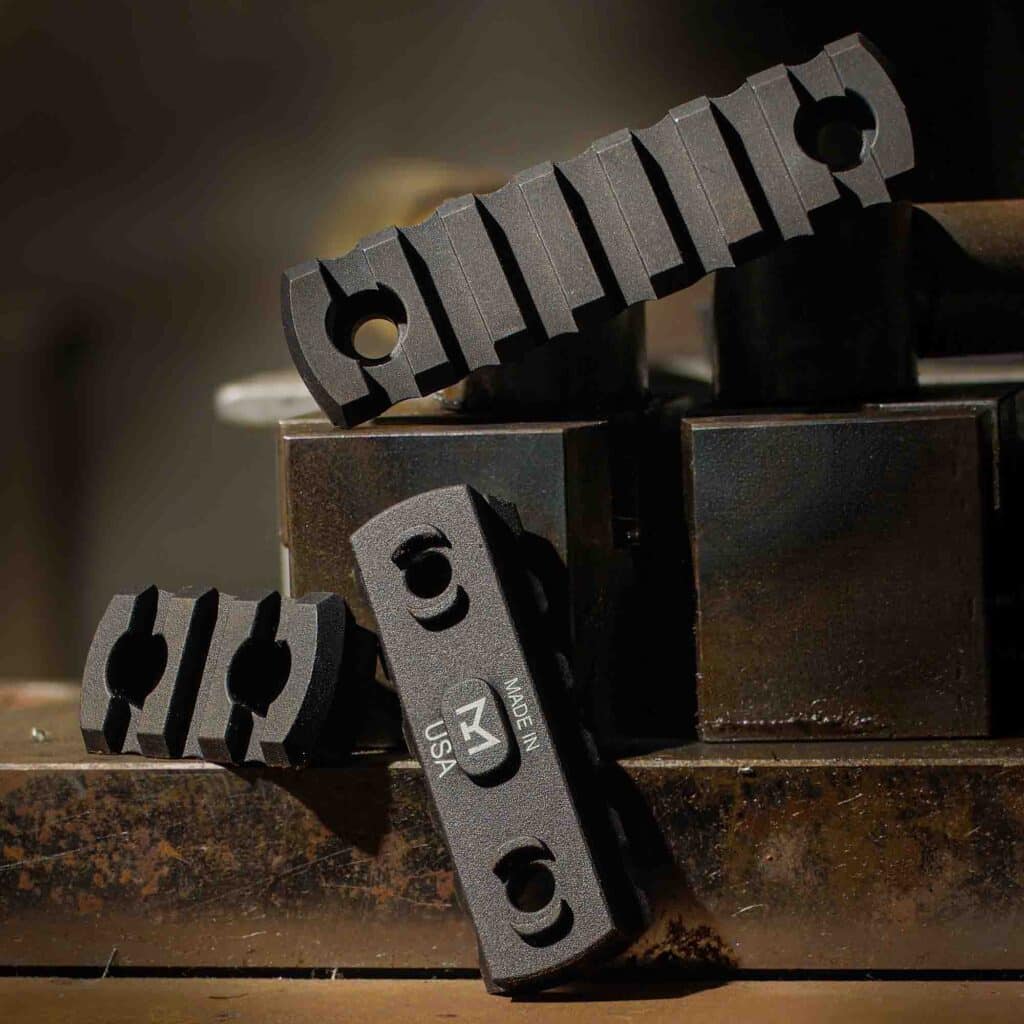
What is a “Hard Mount” MLOK? The “Set It and Forget It” Standard
A “Hard Mount” is the original, standard method for attaching an accessory to an MLOK rail, just as Magpul designed it. It is the bedrock of the MLOK system’s success and is defined by its simplicity and strength.
How It Works
A hard mount uses two simple components:
- MLOK T-Nuts: A camming nut that is inserted parallel to the MLOK slot.1
- A Screw: The screw passes through the accessory and threads into the T-Nut.
As you tighten the screw (typically with an Allen wrench), the T-Nut rotates 90 degrees and “cams” against the inside of the handguard, creating an incredibly strong, vibration-resistant lock.2 For a permanent, duty-grade installation, this is often paired with a thread-locking compound like Blue Loctite and torqued to a specific value (e.g., 35 in/lbs).3
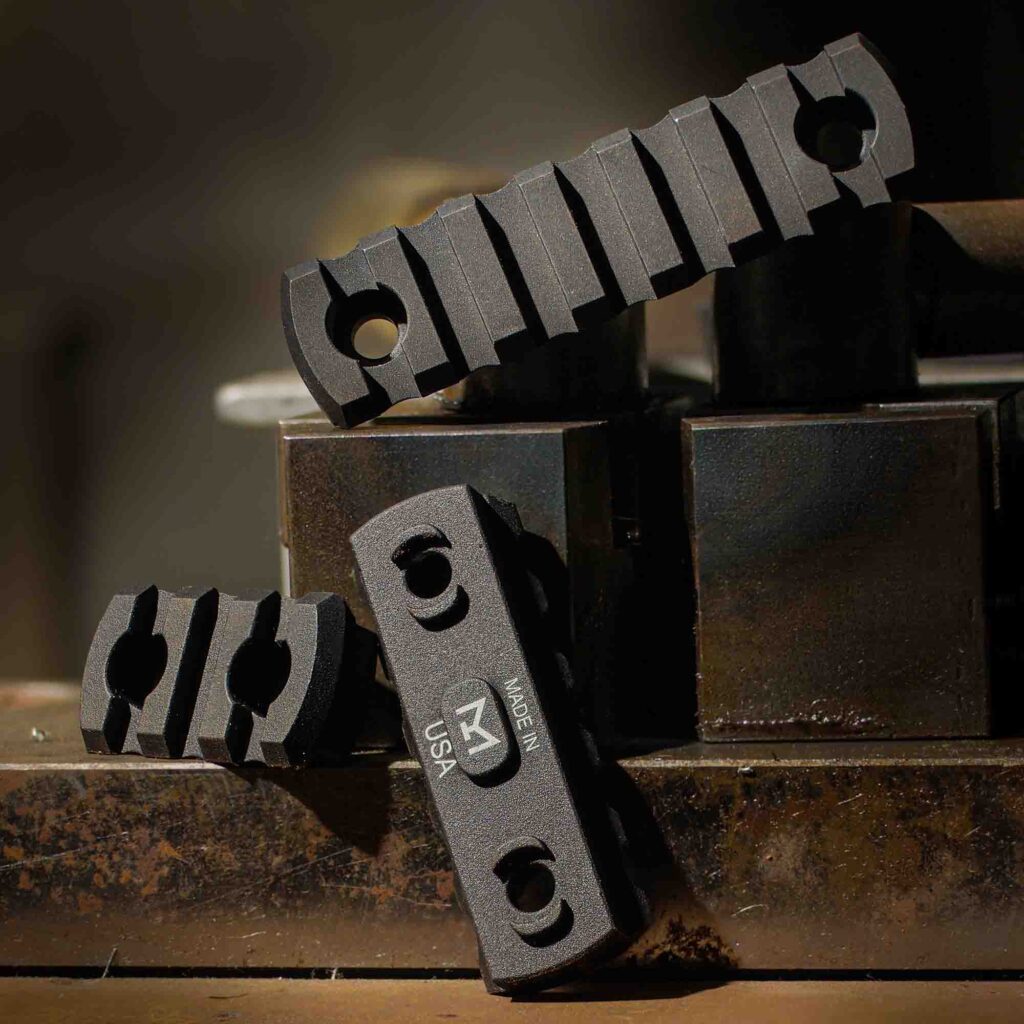
KDG’s MLOK Hard Mounts, like their Picatinny rail sections or direct-mounts, are the gold standard for this. They are precision-machined from 6061-T6 aluminum, hard-coat anodized, and designed with minimal hardware for a low-profile, “snag-free” fit that integrates directly with the handguard.
Pros and Cons of a Hard Mount
| Pros | Cons |
| Absolute Security: This is its greatest strength. When torqued, it is a semi-permanent part of the rifle. | Requires Tools: You need the correct Allen key to install or remove anything. |
| Proven Reliability: This is the system tested and trusted by USSOCOM. It’s proven to hold zero and withstand recoil and impact. | Slow & Inflexible: Reconfiguring your rifle for a different role (e.g., removing a bipod) is a slow, deliberate process. |
| Lower Profile & Lighter: With no complex mechanisms, hard mounts are often lighter and sit closer to the rail. | No “Hot-Swapping”: You can’t quickly move an accessory from one rifle to another. |
What is a “QD MLOK” Mount? The KDG Kinect Revolution
This is where the confusion begins, so let’s be crystal clear.
There are two types of “QD MLOK”:
- QD Sling Sockets: These are small hard-mounted points that accept a push-button QD sling swivel.4 This is not what we are comparing.
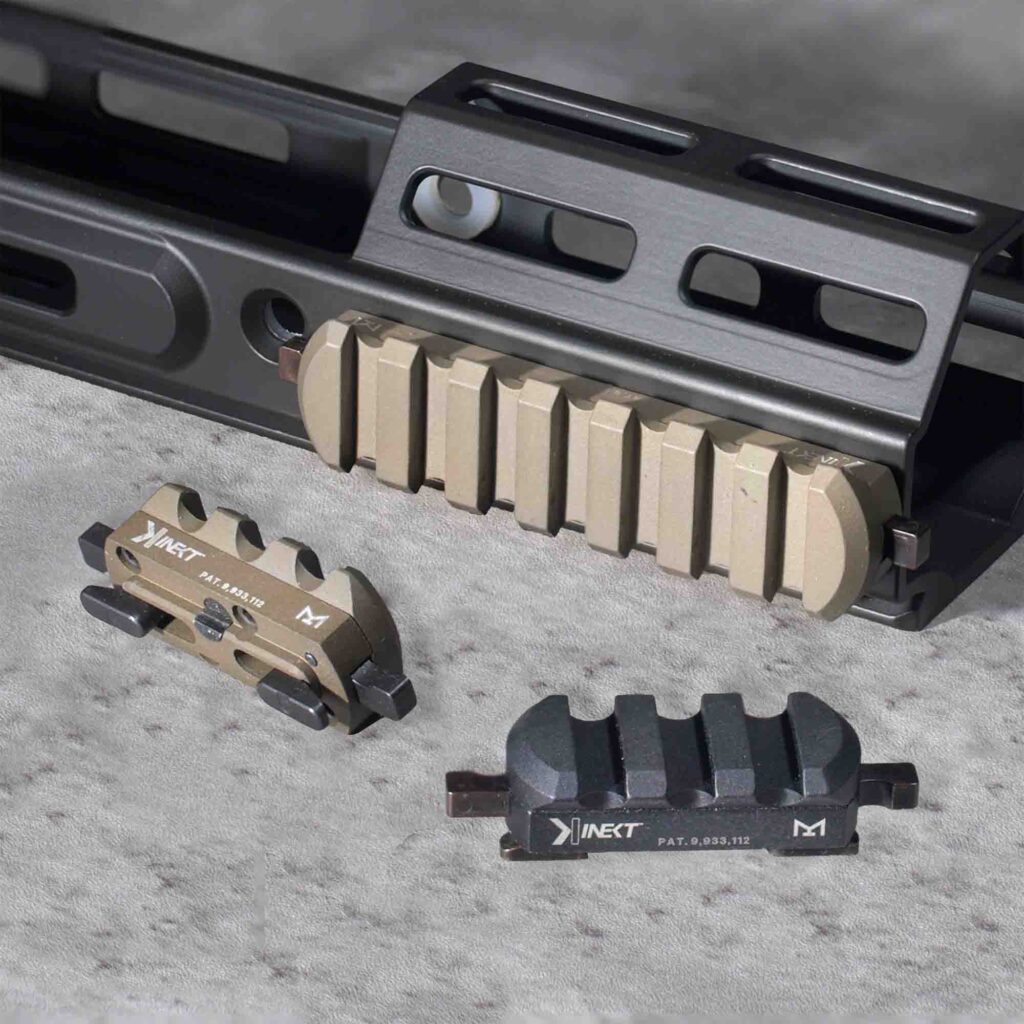
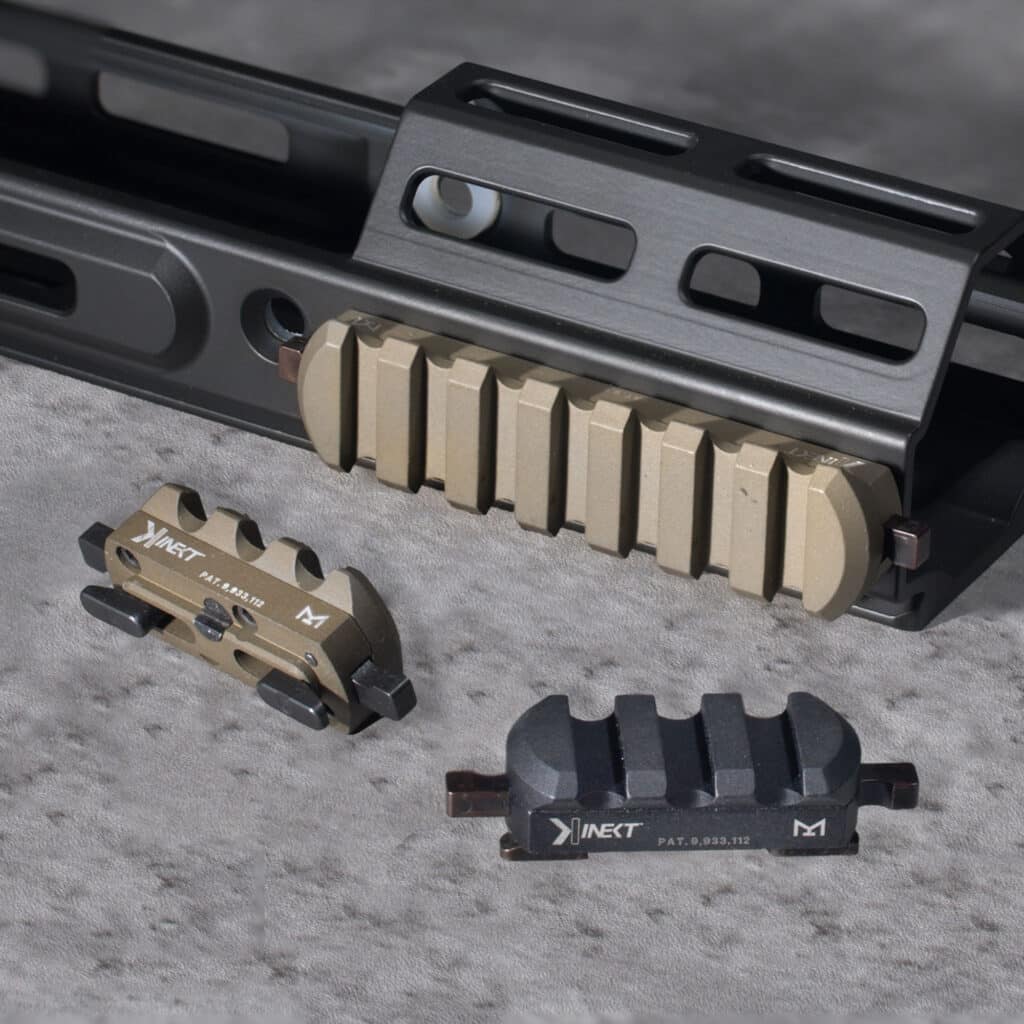
- Tool-less Accessory Mounts: This is a system where the entire mount (e.g., a Picatinny rail section or a bipod mount) can be attached or detached from the MLOK rail instantly, without any tools.5
The undisputed leader and pioneer in this category is KDG’s Kinect system.
How KDG Kinect Works
The Kinect system is a marvel of engineering that completely replaces the need for T-Nuts and screws.6
- To Install: You simply align the mount with the MLOK slot and press down. This depresses two small “deployment triggers” on the base, which “fires” two spring-loaded, locking wedges into place.7 An audible click confirms the lock.
- To Remove: You squeeze the two lugs on the side of the mount.8 This retracts the wedges, and the entire unit lifts off the rail.
The entire process, in either direction, takes less than two seconds. It is the true definition of tool-less quick-detach for the MLOK system.
Pros and Cons of KDG Kinect (QD)
| Pros | Cons |
| Unmatched Speed: Accessories can be mounted or dismounted in seconds. | Known Limitations: The manufacturer explicitly advises against heavily loading Kinect-mounted bipods, especially on calibers larger than .308. |
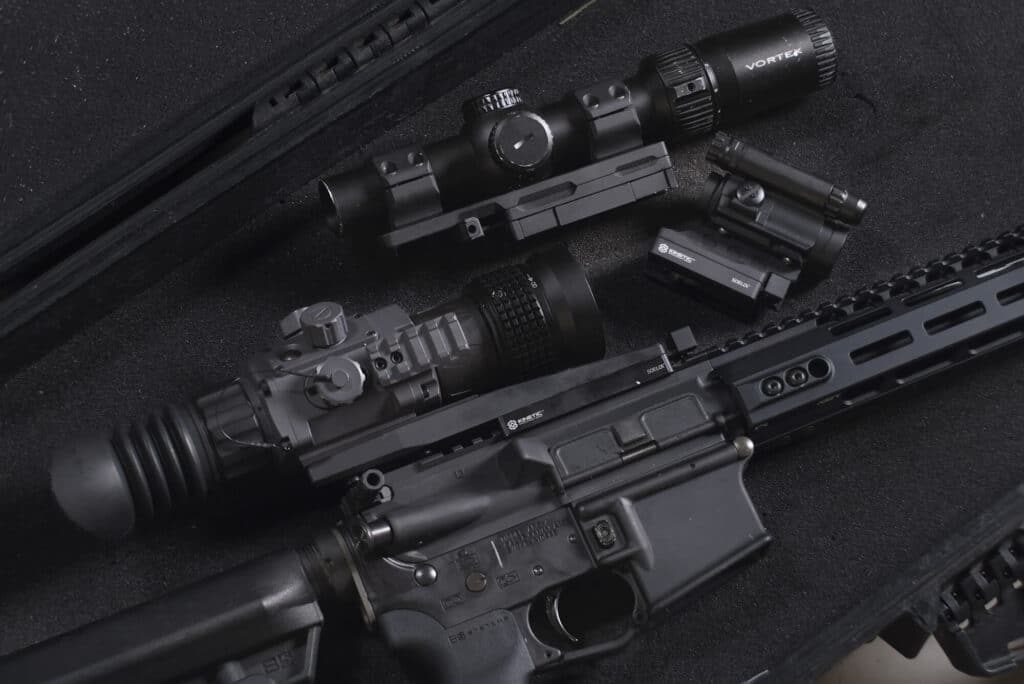
| Tool-less Reconfiguration: Perfect for “hot-swapping” accessories between different rifles or reconfiguring one rifle for multiple roles. | Not for Sighting Systems: Kinect is not rated to hold zero for optics or lasers. Those must be hard-mounted. |
| Extreme Convenience: Ideal for accessories you don’t want on your rifle 100% of the time, like a bipod for range use or a chronograph. | Potential Compatibility Issues: Kinect was designed for the original Magpul rail spec and may not work on all polymer or out-of-spec handguards. |
Head-to-Head: KDG Kinect (QD) vs. KDG Hard Mount
This is the core of the debate. Let’s put them side-by-side in a direct comparison.
| Feature | KDG MLOK Hard Mount (Security) | KDG Kinect (Speed) |
| Installation Speed | Minutes. Requires tools, alignment, and proper torque. | Seconds. No tools required. Press on, press off. |
| Absolute Security | Winner. Designed to be semi-permanent. Will not disengage under recoil or heavy load. | Good, with Caveats. Rock-solid for most uses, but can disengage if a bipod is “heavily loaded” or used with heavy recoil (>.308). |
| Zero-Retention | Winner. The only choice for mounting sighting systems, lasers, or anything that requires a-return-to-zero. | Not Recommended. Not designed or rated for holding zero on optics or lasers. |
| Flexibility | Winner in Accessory Choice. Any MLOK accessory will work. | Winner in Mission Choice. A single rifle can be reconfigured for different missions in seconds. |
| Profile & Weight | Winner. The simple T-Nut system is inherently lighter and lower-profile than the spring-loaded Kinect mechanism. | Minimalist, but Larger. The mechanism adds a small amount of bulk and weight compared to a simple screw. |
Scenarios: Which Mounting System is Right for You?
The “best” system is the one that matches your primary use case. Here is a simple breakdown to help you decide.
✅ Choose a KDG HARD MOUNT if…
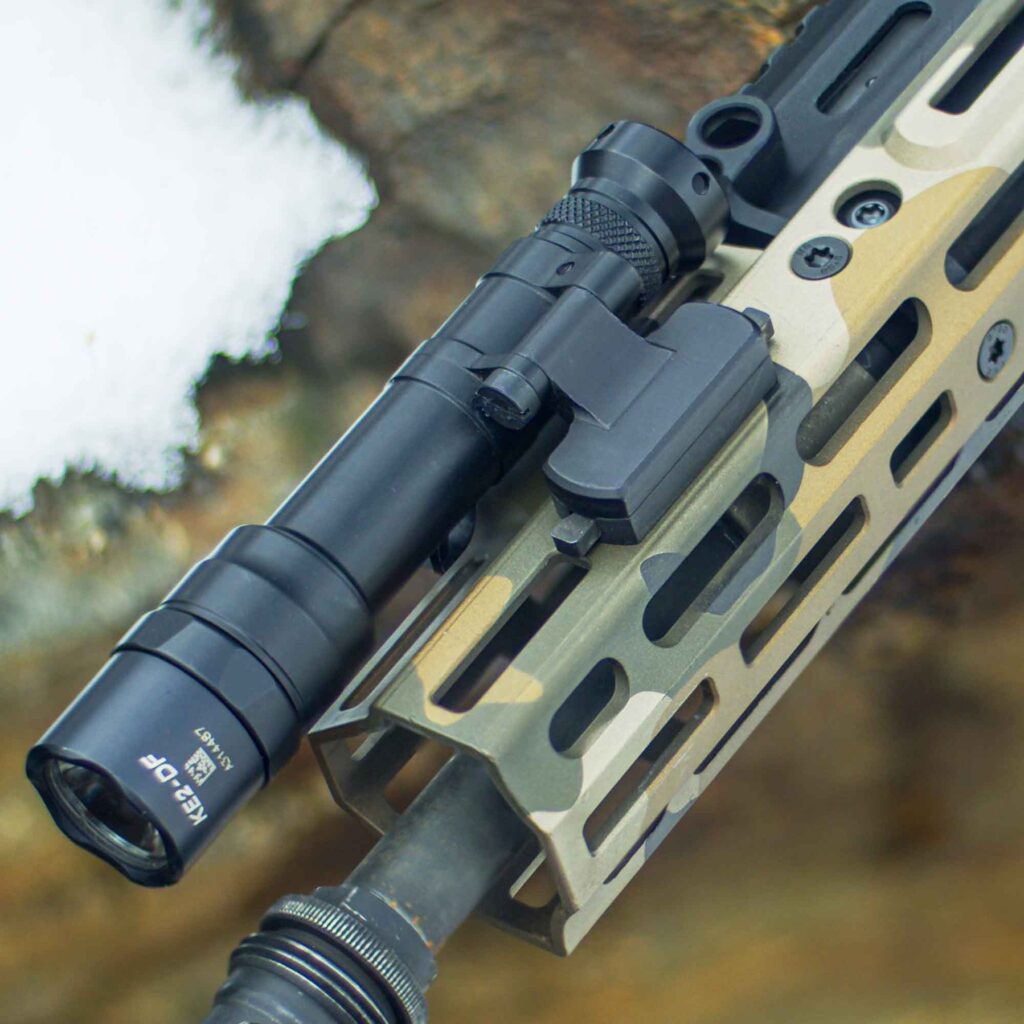
- You are mounting a “mission-critical” accessory. This includes your weapon light, laser aiming module (LAM), or an offset red dot. These items cannot fail or shift, and a hard mount is the only professional choice.
- You have a “Set It and Forget It” rifle. This is for a duty rifle, a home defense gun, or a precision rifle where the configuration is fixed and proven.
- You heavily load your bipod. If you’re a precision shooter who “loads” the bipod (pushing forward into it) for maximum stability, you need a hard-mounted bipod to prevent any possibility of it disengaging.
- You are running a large-caliber rifle. For .308/7.62 or larger, the recoil forces demand the absolute security of a hard mount.
✅ Choose a KDG KINECT (QD) Mount if…
- You are a competitive shooter. You can attach a bipod for a long-range stage, then strip it off in seconds for a close-quarters stage, saving weight and reducing snag points.
- You swap one accessory between multiple rifles. Why buy three bipods when you can buy one with a Kinect mount? You can move it from your 5.56 to your .300 BLK in seconds.
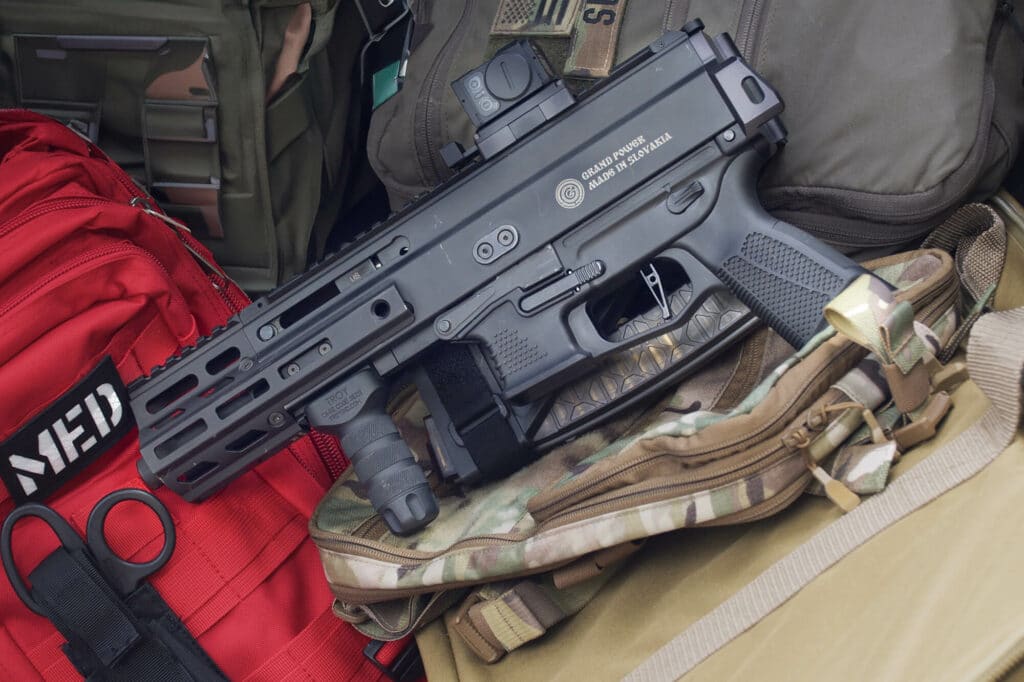
- You use “situational” accessories. This is perfect for a range-day chronograph, a hunting bipod (attached only when you’re in position), or a vertical grip you only want for certain drills.
- You value speed and convenience above absolute, “bomb-proof” security for that specific accessory.
The Hybrid Solution: The Best of Both Worlds
You don’t have to choose one or the other. In fact, the most optimized rifle builds use a hybrid approach.
A “pro” setup looks like this:
- Hard-Mounted: Your weapon light and laser, which must hold zero and never fail.
- Kinect-Mounted: Your bipod and/c or vertical grip, which you want to add or remove based on the mission.
This gives you the “bomb-proof” reliability for your critical components and the tool-less, “speed-and-flexibility” for your configurable accessories.
The Final Verdict: A Tool for Every Job
The “QD MLOK vs. Hard Mount” debate isn’t about a winner and a loser. It’s about a mature market—led by innovators like KDG—providing specialized tools for specific jobs.
- KDG Hard Mounts are the clear choice for Security. They are the professional standard for any accessory that must not fail or shift.
- KDG Kinect is the clear choice for Speed. It is a revolutionary system that unlocks a new level of modularity and convenience for accessories that benefit from being “hot-swappable.”
By understanding the pros and cons of each, you can now look at your rifle, your accessories, and your mission, and build the perfect platform tailored exactly to your needs.


